Project Leadership and PMO Consulting

Project leadership & PMO consulting

Big priorities.
Delivered.

Experienced leadership for the work your business needs to get right.

A critical launch. A project that’s lost momentum. An AI initiative that needs a delivery plan. TRS Planning brings the structure, accountability, and follow-through to move the work forward.

Fractional support · Defined engagements · Austin area & remote

01 / Hands-on project & program leadership

A plan is the start.
Leadership moves it.

Give an important initiative an experienced leader who coordinates the work, asks the hard questions, and follows through on commitments.

From a new implementation to a project that needs a reset, the focus stays on the business outcome—and what it will take to get there.

Discuss your project

What the work can include

  • Scope & delivery planning

    Define the outcome, milestones, dependencies, and owners. Keep the main thing the main thing.

  • Risks & decisions

    Surface obstacles early. Make the trade-offs clear when scope, timing, or resources change.

  • Teams & stakeholders

    Coordinate internal teams and vendors. Keep the right people informed and decisions moving.

  • Launch & handover

    Plan for testing, training, operational readiness, and clear ownership after the change goes live.

Traditional, agile, hybrid, or Kanban: the approach should fit the work and your team.
02 / Project management office consulting

See the whole picture.
Make the next call.

A project management office (PMO) gives your organization a consistent way to choose, oversee, and deliver projects. It should make the work easier to lead.

Build a practical framework—or improve the one you have—with enough structure to support decisions and a level of effort your team can sustain.

Talk through your PMO needs

What the work can include

  • Intake & prioritization

    Connect proposed work to business goals. Make priorities, capacity, and competing demands visible.

  • Governance & reporting

    Clarify decision rights and escalation paths. Report on progress, risks, and the actions leaders need to take.

  • Processes & tools

    Create useful workflows, templates, and standards. Configure tools around how the team needs to work.

  • Team capability

    Help people use the framework through guidance, coaching, and practical handover.

Start with the business problem. Define the intended value. Measure the things that help you make decisions.

03 / AI program delivery

Give AI initiatives
a path to real use.

An AI pilot needs the same delivery discipline as any important change: a clear business need, agreed scope, accountable owners, and a team ready to use it.

Connect business leaders, technical specialists, and vendors around a practical implementation plan. Keep governance, testing, and adoption visible throughout the work.

Discuss an AI initiative

What the work can include

  • Use cases & value

    Define the problem, intended benefit, priorities, and success measures. Give the backlog a clear basis for decisions.

  • Requirements & governance

    Clarify requirements, data needs, ownership, decision rights, and the checkpoints the organization needs.

  • Implementation & testing

    Coordinate business and technical teams, vendors, pilots, and acceptance. Keep dependencies and decisions moving.

  • Adoption & ongoing ownership

    Plan training, feedback, usage and value tracking, and handover so the work has an owner beyond launch.

From a promising idea to a supported way of working. Explore AI implementation & adoption →

The approach

Define the finish.
Work backward.

Every engagement begins with the outcome. Then we put the right plan, people, and working rhythm around it—and stay attentive as conditions change.

  1. Get clear.

    Understand the problem, desired outcome, constraints, and current state of the work.

  2. Get aligned.

    Agree on priorities, responsibilities, decisions, and a realistic delivery plan.

  3. Get moving.

    Track commitments, address risks, and help the team work through obstacles.

  4. Make it stick.

    Prepare people for the change and establish ownership beyond the launch.

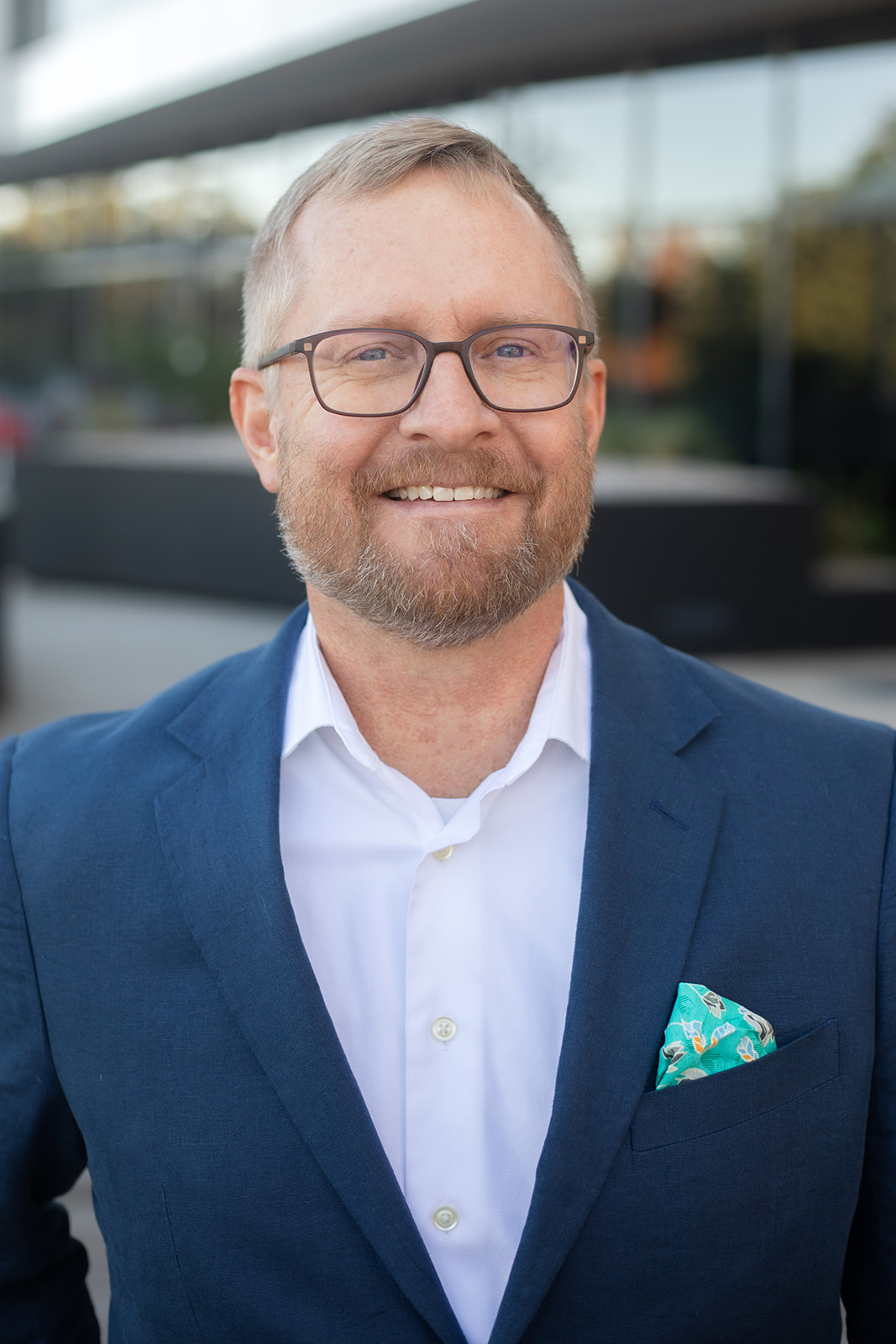
Tedd Shimp, founder of TRS Planning
Tedd Shimp, PMP®Founder, TRS Planning

The person behind the plan

Experienced leadership.
Personal accountability.

I’m Tedd Shimp. I’m a former Marine Corps officer and a certified Project Management Professional with more than two decades of experience planning and delivering services.

My approach is straightforward: define success up front, make ownership clear, and keep attention on the result. When the engagement needs additional skills, I bring in specialists to support the work.

IT & softwareFinancial servicesAutomotiveFaith-based nonprofitsTexas electricity markets
Connect with Tedd

Working together

The right support.
For the work ahead.

A portion of your week. A defined project. A focused consulting engagement. We agree on the work, time commitment, and what success looks like before getting started.

Start with a conversation about the problem you need to solve.

What does “fractional” actually mean?

Experienced leadership for a portion of your team’s working week, rather than a full-time position. The time commitment is based on the scope and needs of the engagement.

Can you help with a project that’s already underway?

Yes. We start by understanding the current plan, commitments, risks, and blockers. Then we work with your team to reset priorities, clarify ownership, and agree on the next steps.

Do we need an existing PMO or a specific tool?

No. We can build a practical delivery framework or improve an existing one. Your current tools and ways of working are the starting point; the process should determine what the tools need to do.

What happens after the project goes live?

Operational readiness and handover are part of planning the change. We identify who will own the process, what people need to learn, and what support is needed after launch.

Let’s talk about the work

What needs to
move forward?

Tell me what you’re trying to accomplish, what’s getting in the way, and what a good outcome looks like. We’ll discuss where TRS Planning can help.